Tyre Advice From The Van

Written between jobs by the fitters at our Nether Street base in Finchley. No brochure copy, no filler — just the questions drivers ask us while the wheel is off the car.

Start here: the two-minute check we wish every driver did

Cold pressures, tread in the inner, middle and outer bands, both sidewalls, then the hidden inner shoulder with the steering on full lock. Two minutes once a month catches almost every fault we get called out to at 2am.
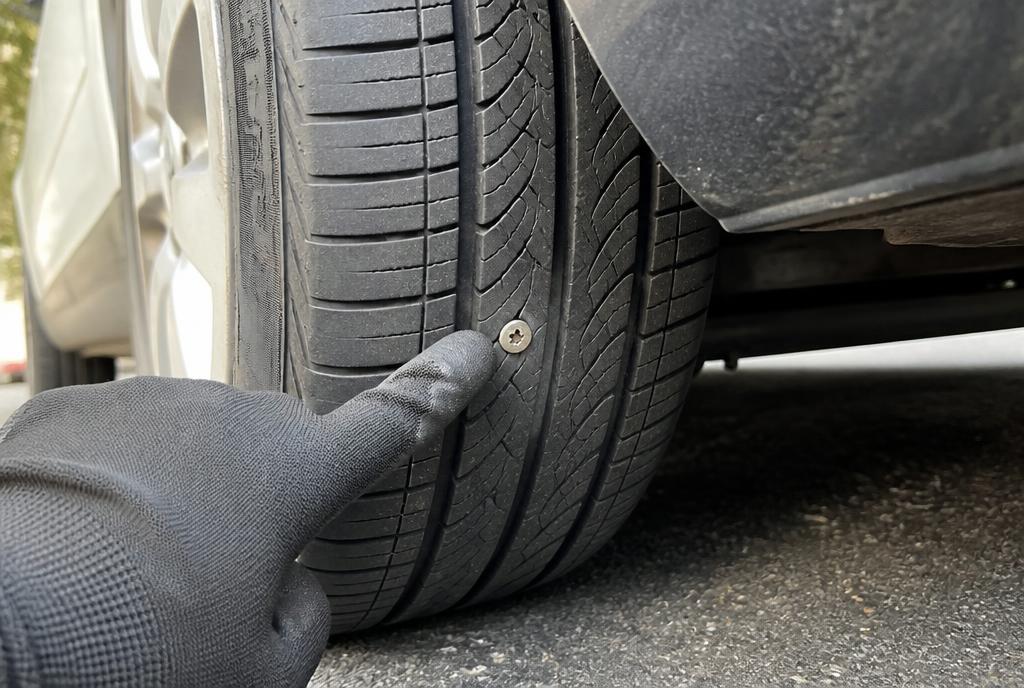
Technician holding a roofing screw pulled from a car tyre tread

Nail in the tread: when it is a 30-minute fix and when it is a new tyre

Every tyre has a permitted repair zone — the central section of the tread, leaving the shoulders out of it. A puncture inside that zone, no wider than 6mm on a car tyre, is a straightforward job: wheel off, tyre off the rim, hole reamed, a combination stem-and-patch fitted from the inside, rebalanced, back on. Half an hour on your driveway and it is good for the rest of the tyre's life.

Move the damage outward and the answer becomes no. The shoulder and sidewall bend thousands of times a mile, so nothing bonded there stays bonded. The other automatic write-off is a tyre that has already been driven on while flat — break the bead and the inner liner comes away as grey powder, which means the carcass has cooked.

Be wary of anyone plugging a tyre from the outside without taking the wheel off. It holds air for a while and tells you nothing about the state of the inside. We remove the wheel on every single call, look at the liner under a light, then give you the verdict either way.

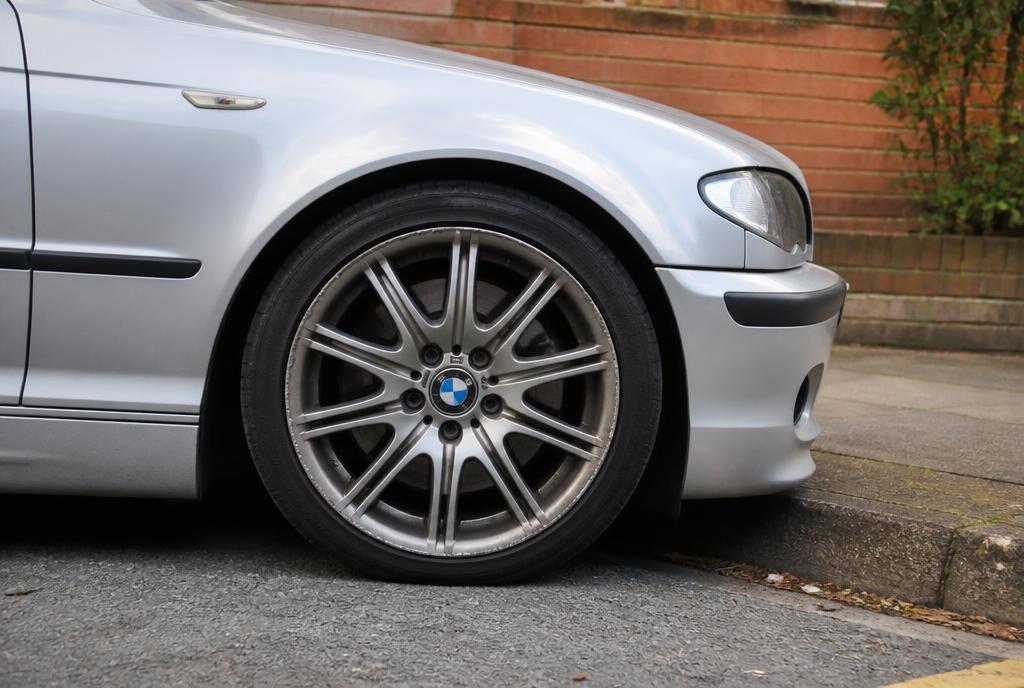
Scuffed alloy wheel rim beside a kerb on a North London street

Kerbed your alloy in Finchley? What actually matters is the bead lip

Scrapes across the face of a wheel are a paint problem. Ugly, worth refinishing before the bare alloy starts to bloom white, but perfectly safe to drive on in the meantime.

The damage worth acting on sits on the inner lip where the tyre bead clamps against the rim. Once that edge is nicked or pushed out of true, the seal leaks — usually only three to five psi a week. Drivers top it up, forget it, and spend months running underinflated, quietly scrubbing the shoulders off a good tyre and burning extra fuel.

The tell is simple: one wheel that always wants air while nobody can find a puncture. We can strip the tyre, dress the lip back flat, reseal and refinish it kerbside — no sending the wheel off to a refurb unit for three days.

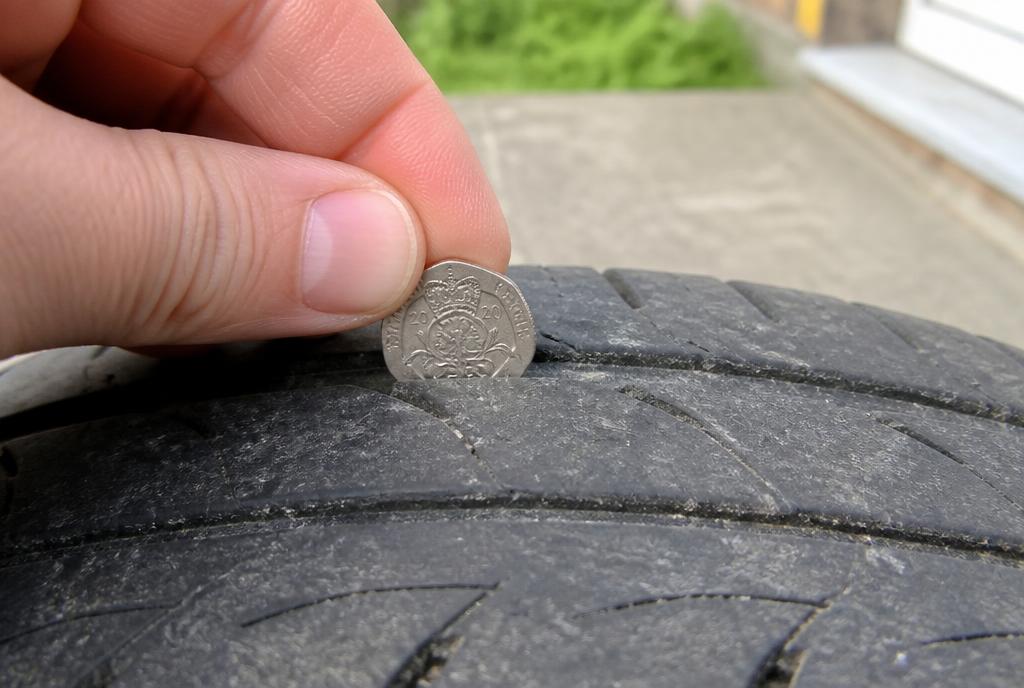
A twenty pence coin held in the tread groove of a tyre for a depth check

Your tyres can pass the 20p test and still be unsafe

1.6mm across the middle three quarters is the legal floor, and the 20p in your door pocket is the fastest check there is — if the raised border of the coin vanishes into the groove you have working tread, and if you can still see it you are already shopping.

Depth is only half of the story. Look for the four digits on the sidewall: 3122 means the tyre was cured in week 31 of 2022. Rubber goes hard with time regardless of mileage, and once a tyre is past roughly six years, wet braking and aquaplaning resistance fall away sharply even with plenty of pattern left.

This bites hardest on cars that sit still — second cars, weekend cars, low-mileage runabouts around Church End and East Finchley. A fair share of the sets we swap out have 5mm of tread and are simply too old to stop the car in a downpour.

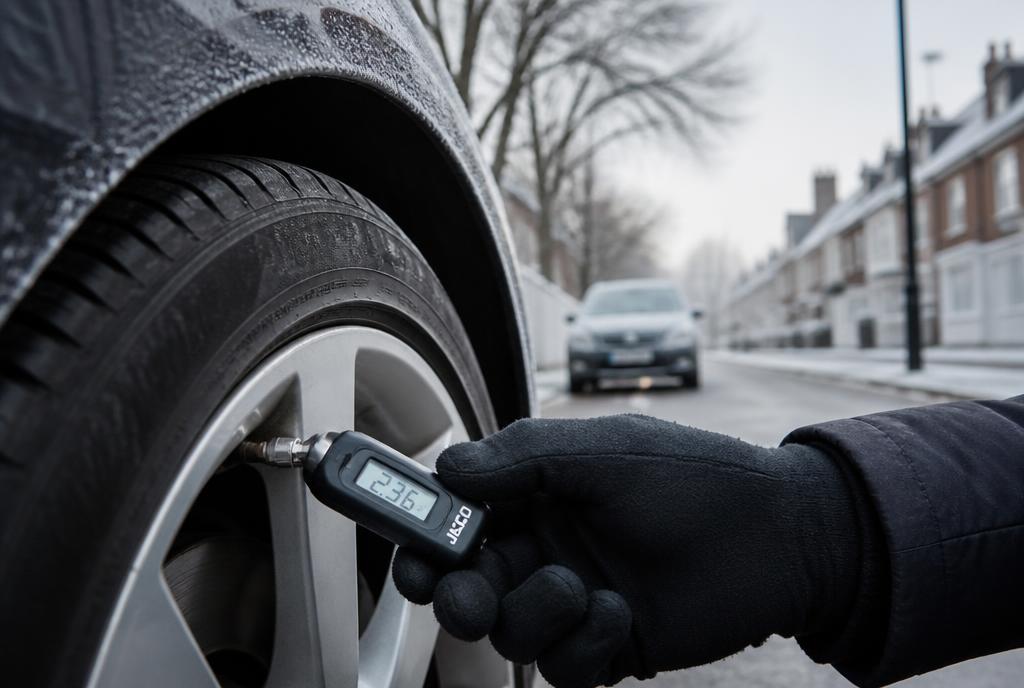
Digital tyre pressure gauge on a car wheel valve on a frosty London morning

Winter in N3: the small habits that keep you off the hard shoulder

Cold air is denser, so pressures drop roughly 1–2 psi for every 10°C the temperature falls. A set that was spot on in September is noticeably soft by December, which dulls the steering, lengthens braking distances and cooks the outer edges.

Check them cold, first thing, before you have driven more than a mile — a warm tyre reads high and hides the problem. Use the plate inside the driver's door, not whatever the last garage set, and add the loaded figure if you are running a full car up the M1.

The other winter habit worth having: look at the inner shoulders on full lock once a month. Alignment knocked out by a pothole on the North Circular shows up there long before you feel anything through the wheel, and catching it early saves a whole pair of tyres.

Not sure what you are looking at? WhatsApp us a photo of the damage and we will tell you straight whether it is repairable, needs replacing, or is nothing to worry about. Checks are free.